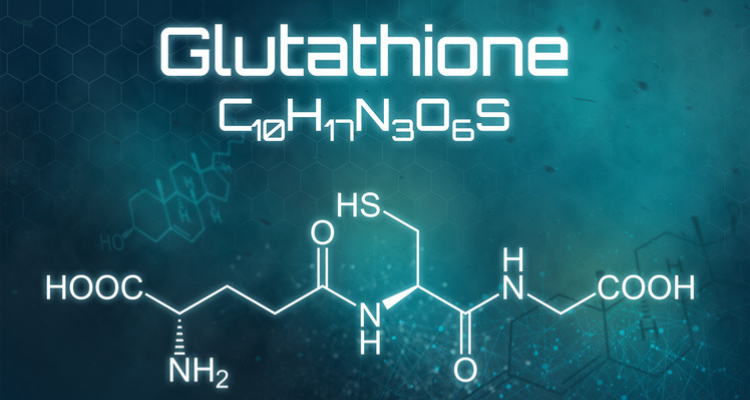
Your body makes a powerful protective molecule called glutathione(pronounced "gloo-tuh-THIGH-own"). It lives in every single cell and acts like your body's built-in cleanup crew — neutralizing toxins, recycling other antioxidants, powering your immune system, and keeping your energy-producing mitochondria running smoothly.
Scientists call it the "master antioxidant" because it doesn't just fight damage on its own — it also recharges other antioxidants like vitamin C, vitamin E, CoQ10, and alpha lipoic acid so they can keep working too. Without enough glutathione, your body struggles to remove toxins, fight infections, produce energy, and repair damaged cells.
People with higher glutathione levels tend to have more energy, healthier skin, stronger immune function, and better detoxification. People with low levels are at greater risk for fatigue, brain fog, chronic inflammation, and a long list of serious health conditions. The good news is that you can boost your levels through diet, lifestyle, and targeted supplementation.
What Is Glutathione?
Glutathione is a tiny protein (called a tripeptide) made from three amino acids: cysteine, glycine, and glutamate. It exists in two forms:
- GSH (reduced glutathione) — the active form that does all the protective work
- GSSG (oxidized glutathione)— the "used up" inactive form after it has neutralized a threat
Think of GSH like a fresh sponge that soaks up damage. Once it absorbs enough, it becomes a wrung-out sponge (GSSG). Your body has an enzyme called glutathione reductase that can "re-fluff" the sponge back into its active GSH form. But when there's too much damage happening at once, this recycling system gets overwhelmed and your cells become vulnerable.
Your cells contain as much glutathione as they do glucose, potassium, and cholesterol — that alone tells you how essential it is for survival.
What Glutathione Does in Your Body
Protects Your Mitochondria (Energy Factories)
Keeps your cellular power plants running
Your mitochondria convert food into energy (ATP) — they're like tiny power plants inside every cell. But making energy also creates toxic byproducts called free radicals, kind of like exhaust from a car engine. Glutathione neutralizes these byproducts before they damage the mitochondria themselves. When glutathione levels drop, mitochondria get damaged, produce less energy, and create even more toxic exhaust — a vicious cycle that leads to fatigue and cellular breakdown.
Master Antioxidant Protection
Neutralizes free radicals and recharges other antioxidants
Every time you breathe, eat, or move, your body produces free radicals — unstable molecules missing an electron that damage healthy cells by stealing electrons from them. Each cell takes roughly 10,000 of these hits per day. Glutathione directly neutralizes these attackers and also recycles vitamins C and E, CoQ10, and alpha lipoic acid so they keep working. Without it, your entire antioxidant defense system breaks down.
Detoxification (Your Body's Trash Removal)
Binds toxins and heavy metals for elimination
Your liver detoxifies in three phases. Phase 1 partially breaks down toxins (heavy metals, pesticides, drugs, pollution). Phase 2 is where glutathione steps in — it binds to these partially processed toxins through a process called conjugation, making them water-soluble. Phase 3 flushes them out through urine or bile. Without enough glutathione, Phase 1 toxins can become even more dangerous free radicals that accumulate and cause damage.
Immune System Support
Powers your immune cells to fight infections
Glutathione fuels your immune cells — especially natural killer (NK) cells and T cells, the front-line fighters against infections. One small study found NK cell activity roughly doubled after six months of daily supplementation. This was a small study and has not been repeated. It also helps immune cells produce infection-fighting substances and has direct antibacterial effects. Chronic infections like EBV, hepatitis, and Lyme disease suppress the immune system, and glutathione can help reverse that suppression.
DNA Repair & Cell Protection
Repairs damaged DNA and prevents mutations
Free radicals attack your DNA by stealing electrons, and a damaged molecule then attacks the next one — creating a chain reaction that can cascade through hundreds of molecules. Glutathione stops these chain reactions by donating the missing electrons, repairing damaged DNA, and reducing cell mutations. Normal glutathione levels keep your cells' self-repair systems working at full capacity.
Energy & Athletic Performance
Enhances endurance and reduces muscle fatigue
By keeping mitochondria fully charged, glutathione boosts muscle strength and endurance. Studies have shown that supplementing before exercise reduces fatigue, lowers lactic acid buildup, and improves performance. Combined with L-citrulline, glutathione also boosts nitric oxide production, which opens blood vessels and delivers more oxygen to working muscles.
What Depletes Your Glutathione
Many everyday factors drain your glutathione levels faster than your body can replenish them. When depletion outpaces production, you become vulnerable to oxidative damage, inflammation, and disease.
Aging
Natural decline with age
Chronic Toxin Exposure
Chemicals, heavy metals, pollution
Alcohol & Smoking
Major glutathione depleters
Poor Diet
Processed foods, sugar, nutrient-poor foods
Chronic Stress
Increases oxidative demand
Certain Medications
Acetaminophen (Tylenol) in particular
UV Radiation
Sun and environmental radiation exposure
Chronic Illness
Infections, autoimmune conditions, diabetes
Deep Dive
Foods That Boost Glutathione
Discover the best dietary sources that increase glutathione naturally — sulfur-rich vegetables, selenium sources, whey protein, and foods that contain glutathione directly.
Learn MoreSupplements & Dosing
Compare supplement forms and their bioavailability — liposomal, IV, suppositories, NAC, and more. Includes dosing guidance, side effects, and daily practices.
Learn MoreHealth Conditions
Explore diseases linked to glutathione depletion — neurological, cardiovascular, and autoimmune disorders, plus the vitamin D connection and methylation.
Learn MoreCommon Questions
What is glutathione and why is it called the master antioxidant?▼
What is the best way to supplement glutathione?▼
What foods help increase glutathione levels?▼
What causes glutathione depletion?▼
How does glutathione help with heavy metal detoxification?▼
Related Resources
Sources and Review
Author: Gadolinium.org Research Team (Health Research)
Last reviewed: April 2026
Clinician review: No physician has reviewed this page. It was checked by the editorial team against the sources listed below.
This page is for education only and is not a diagnosis or treatment plan.
References
- Pizzorno J. Glutathione! Integr Med (Encinitas). 2014.
- Glutathione and adaptive immune responses. Curr Opin Pharmacol. 2007.
- Glutathione supplementation suppresses muscle fatigue. J Int Soc Sports Nutr. 2015.
- Glutathione Synthesis Is Diminished in Patients With Uncontrolled Diabetes. Diabetes Care. 2011.
- Glutathione Stimulates Vitamin D Regulatory Genes. Antioxidants. 2018.
- EDTA.net: Benefits and Uses of Glutathione. Manufacturer marketing material — not independent evidence.