Why oxalates are being discussed in gadolinium illness
Oxalates (oxalic acid and related compounds) are natural molecules found in many foods. In the gadolinium context, some clinicians and researchers have raised concern that oxalates may interact with retained gadolinium and potentially contribute to nanoparticle formation in tissues.
This does not mean every person with gadolinium exposure must eliminate all oxalates. It means oxalate burden may be one potentially modifiable factor to review with your clinician, especially if symptoms are persistent or severe.
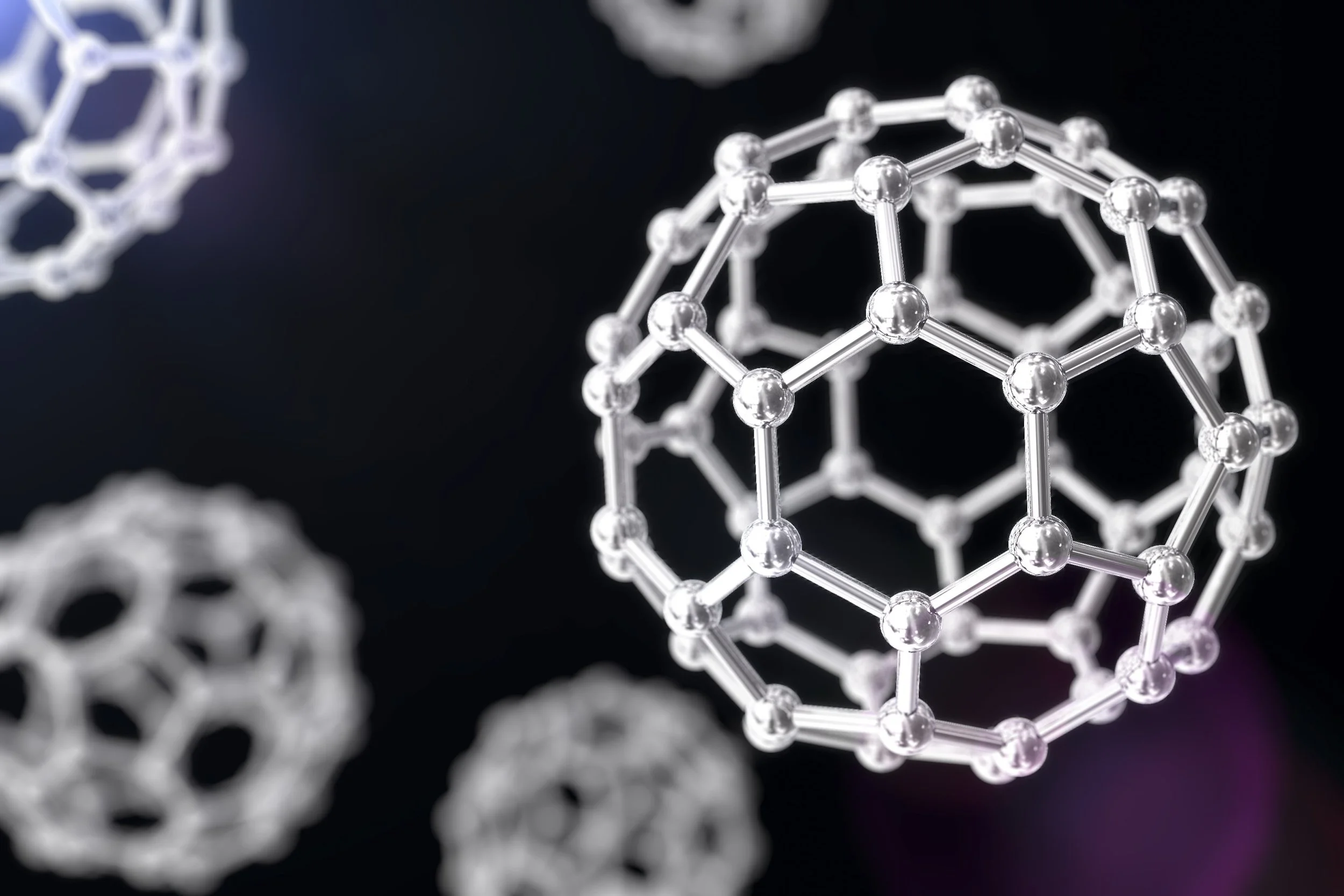
Gadolinium + Oxalates = Nanoparticles
Dr. Brent Wagner's research group at the University of New Mexico reported a mechanism suggesting oxalic acid may help gadolinium precipitate and form nanoparticles in human tissues. This mechanistic finding is a key reason many patients are advised to limit high-oxalate intake.
Read the UNM research news referenceHigh-oxalate foods to avoid or reduce
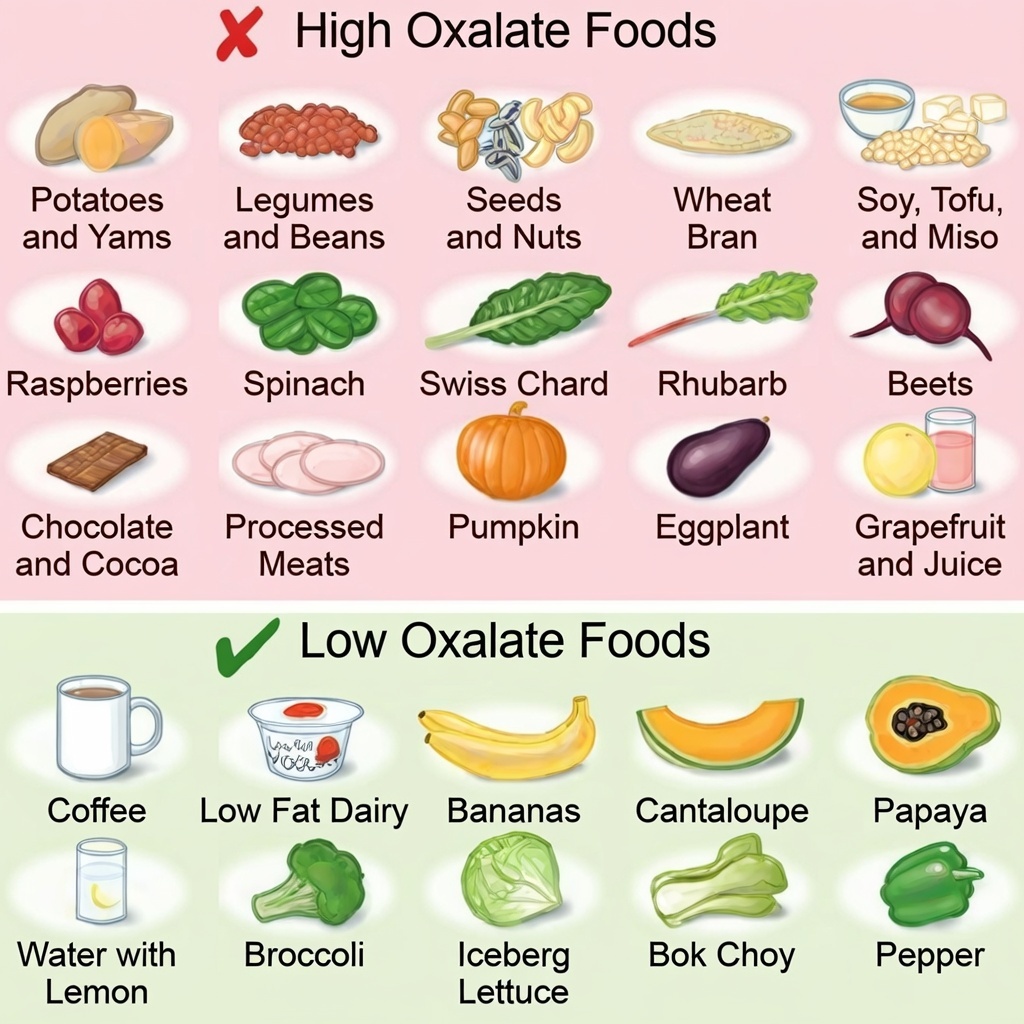
If your clinician suspects a high-oxalate state, a temporary lower-oxalate approach may be considered. Common examples often discussed include spinach, rhubarb, many nuts, chocolate, and some berries.
Tap the image to open the full searchable oxalate food list.
Top very high foods to avoid first
These are the highest-oxalate foods in the reference list — a reasonable place to start if your doctor or dietitian has suggested lowering oxalates:
- Spinach, cooked (1/2 cup): 755 mg
- Spinach, raw (1 cup): 656 mg
- Rhubarb (1/2 cup): 541 mg
- Rice bran (1 cup): 281 mg
- Buckwheat groats (1 cup cooked): 133 mg
- Almonds (1 oz / 22 kernels): 122 mg
- Baked potato with skin (1 medium): 97 mg
- Cocoa powder (4 tsp): 67 mg
Browse the full oxalate food list
We moved the full reference tables to a dedicated page so you can quickly search foods and sort by highest oxalate first, then popularity.
Open searchable oxalate food listPotential downstream effects of high oxalate burden
Nutrient depletion: Higher oxalate burden may bind minerals in the gut and reduce availability of key nutrients in susceptible individuals.
Inflammation: Oxalate stress may contribute to local or systemic inflammatory signaling in sensitive people.
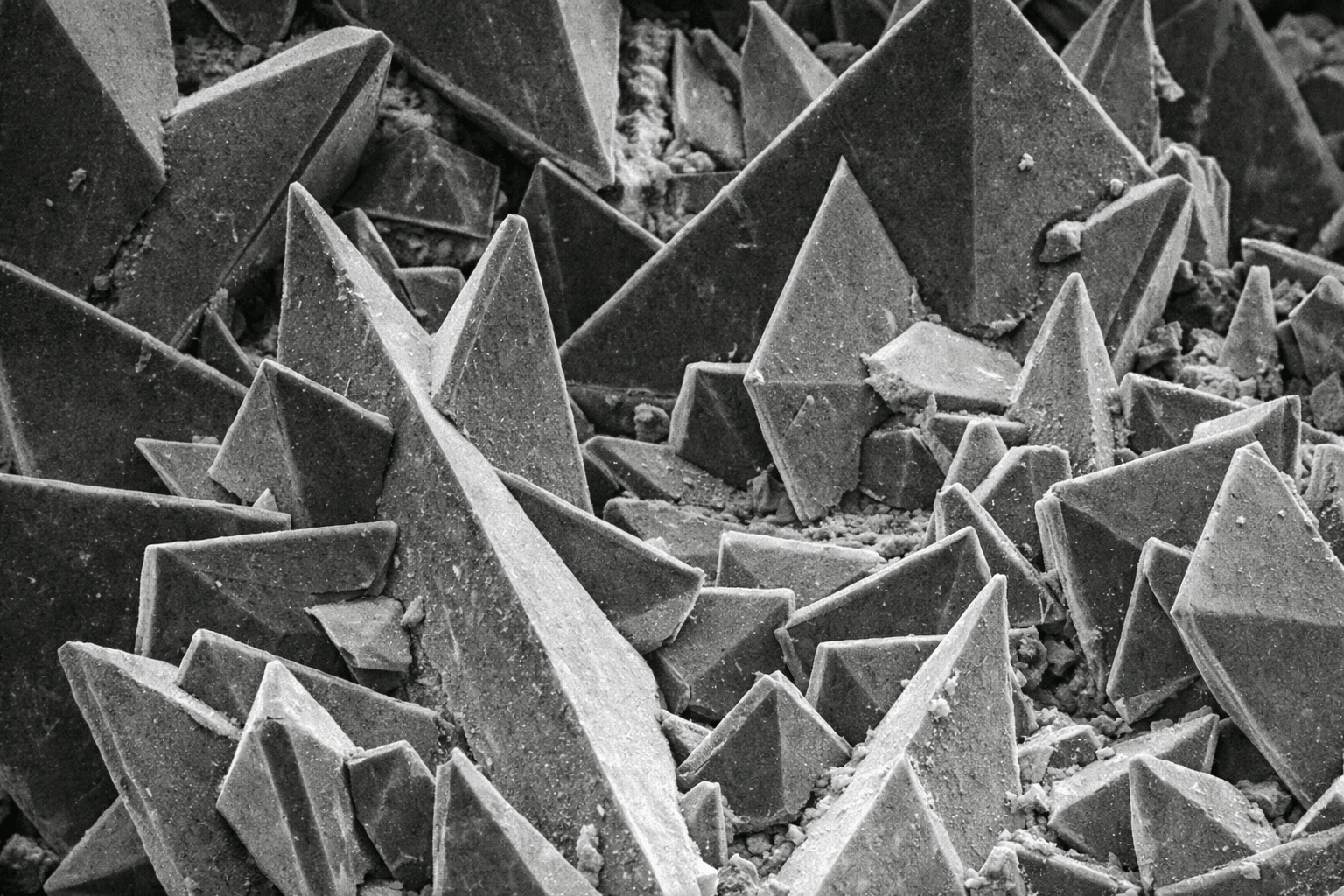
Calcium oxalate crystal accumulation: Oxalates can bind calcium and potentially form calcium oxalate crystals, which may irritate tissues in some cases.
Educational only. Dietary changes should be individualized and supervised, especially if you have kidney disease, GI issues, eating restrictions, or complex medical history.
MCAS and high histamine foods to watch
Mast cell activation syndrome (MCAS) and high histamine foods are another area to consider when managing gadolinium-related symptoms. Many people with gadolinium sensitivity also have histamine intolerance or MCAS, and certain foods can trigger mast cell release. If you suspect this overlap, review our guide on DNA, histamine, and MCAS.
Learn about DNA, histamine, and MCASSources and Review
Author: Gadolinium.org Editorial Team (Patient-Led Education)
Last reviewed: February 21, 2026
How this page was reviewed: Reviewed against cited research-news sources and educational references linked on this page.
Clinician review: No physician has reviewed this page. It was checked by the editorial team against the sources listed below.
This page is for education only and is not a diagnosis or treatment plan.