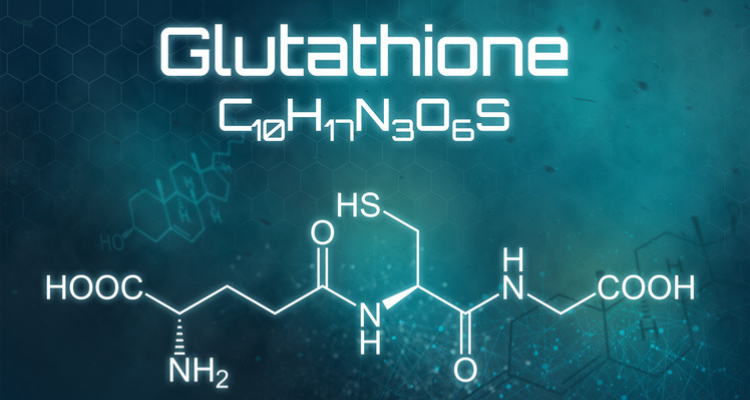
While diet is the best way to support glutathione levels, sometimes supplementation is needed. The tricky part is that glutathione is easily destroyed by digestion, so how you take it matters as much as how much you take.
Glutathione Supplementation
Suppositories (EDTA + Glutathione)
Bypasses digestion — absorption reported by the manufacturer, not independently confirmed
Suppository formulations bypass the digestive system entirely. The ingredients are absorbed through the rectal wall directly into systemic circulation, avoiding the digestive enzymes in the small intestine that break oral glutathione down. The manufacturer reports 70–97% absorption. We have not found independent data confirming this. Both EDTA and glutathione are poorly absorbed orally, which is the reason suppositories are discussed.
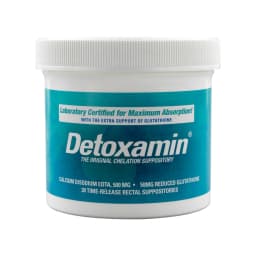
Detoxamin combines EDTA chelation with glutathione in a single suppository for dual heavy metal binding and antioxidant support.
Disclosure:we have a commercial relationship with this seller and may earn money if you buy through our link. We cannot tell you whether this product is right for you — ask your doctor.
Liposomal Glutathione (Oral)
RecommendedLipid-encapsulated for better oral absorption
Liposomes are tiny spheres made from the same fats as your cell membranes, with glutathione protected inside. This encapsulation shields the glutathione from digestive enzymes and improves absorption significantly compared to plain powder. Start with 500 mg and increase to 1,000-2,000 mg per day as needed under a doctor's guidance. Take on an empty stomach and wait 45 minutes before eating or taking other supplements.
IV Glutathione
Most Effective100% bioavailability — delivered directly into the bloodstream
Intravenous glutathione is the gold standard for absorption since it goes directly into your bloodstream. However, it requires a healthcare provider, is more expensive, and involves needles. Some chelation clinics offer IV glutathione pushes alongside or after chelation sessions. Finding an IV clinic may be worthwhile for those with severe health conditions.
Inhaled Glutathione (Nebulizer)
Prescription RequiredRequires a doctor's prescription and compounding pharmacy
Glutathione can be inhaled via a nebulizer, delivering it directly to lung tissue. This form is particularly useful for respiratory conditions but requires a prescription. Avoid this form if you have asthma.
Indirect Glutathione Boosters
Nutrients that increase your body's own glutathione production
NAC (N-Acetyl Cysteine)
The most popular glutathione precursor — provides cysteine, the rate-limiting building block
Alpha Lipoic Acid
Regenerates and increases glutathione levels within the body
If you have gadolinium retention, do not start ALA before reading our note on ALA and gadolinium — it may move gadolinium around your body rather than remove it.
Selenium
Essential trace mineral for glutathione enzyme production
SAMe
Supports the methylation cycle that feeds glutathione production
Plain Oral Glutathione Powder
Not RecommendedRegular glutathione powder taken by mouth is almost completely destroyed by digestive enzymes in the small intestine before it ever reaches your bloodstream. Nearly all of the glutathione you take this way gets broken down into its three amino acid components and never makes it into circulation as active glutathione.
Possible Side Effects
Glutathione supplementation is generally well tolerated but rare side effects may include: abdominal cramps, bloating, loose stools, gas, and possible allergic reactions such as rash. If you have asthma, avoid inhaled glutathione. Always check with your doctor before taking glutathione if you are pregnant or breastfeeding.
Daily Practices to Boost Glutathione
Beyond diet and supplements, your daily habits play a major role in maintaining healthy glutathione levels. Think of these as the foundation that makes everything else work better:
Eat Sulfur-Rich Foods
Load up on garlic, onions, cruciferous vegetables, and whey protein
Avoid Processed Foods
Processed foods and sugar increase oxidative stress and deplete glutathione
Stay Hydrated
Aim for at least 64 oz of water daily to support detoxification pathways
Sleep 7-8 Hours
Sleep is when your body does its deepest repair and glutathione recycling
Exercise Regularly
At least 5 days per week — moderate exercise boosts glutathione production
Manage Stress
Chronic stress increases oxidative demand and burns through glutathione faster
Sources and Review
Author: Gadolinium.org Research Team (Health Research)
Last reviewed: April 2026
Clinician review: No physician has reviewed this page. It was checked by the editorial team against the sources listed below.
This page is for education only and is not a diagnosis or treatment plan.