Community report

User protocol

ELI5 Brief

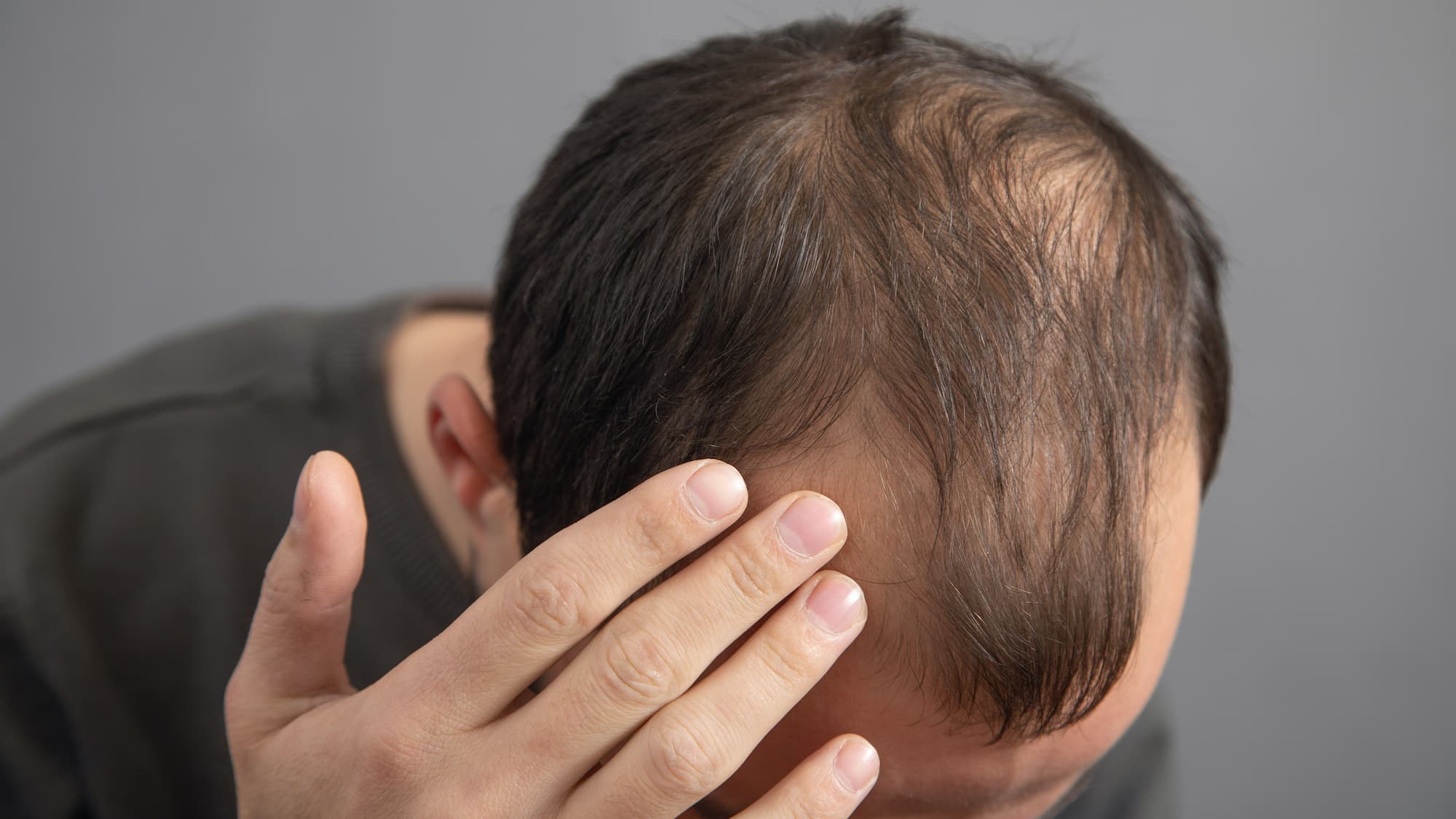
In simplest terms, people in this group kept asking the same question: hair started shedding after gadolinium contrast, and they wanted to know if it grows back. The most common answer was that it often eased with time, over months to years, and sometimes grew back thinner. Everything else — biotin, chelation, rosemary rinses, mineral stacks — was tried by some, helped according to a few, and was mixed or unused by the rest. Nobody here ran a trial.

Download spreadsheet

Where this came from

The Facebook scrape

These notes come from the MRI Gadolinium Contrast Safety Side Effects & Toxicity Research group. This page does not reprint the threads. It surfaces the patterns that kept repeating.

What was in the file

  • The scrape covers 13 original posts about hair after gadolinium contrast, dated 2021 through 2026.
  • Those threads had hundreds of Facebook replies. The spreadsheet keeps 75 captured comments and replies, plus a ranked solutions tab the compiler already aggregated.
  • Most original posts were questions, not results: people asking whether others lost hair, whether chelation reversed it, and what seemed to help.
  • Names, contact details, and identifying thread metadata are left out of this page. The downloadable spreadsheet is the raw file as provided and still contains names as they appeared in the group.

How to read it

  • “Mentions” means someone brought it up, not that it was tested or that it worked.
  • People often changed several things at once, so even a hopeful comment cannot say which change mattered.
  • For the longer compiled guide, see the hair loss page. This page is the source notes behind that compilation.

Recurring symptom reports

These are the clusters that showed up across multiple threads, written without personal names.

Onset and how it showed up

People described shedding that started the same evening as a contrast MRI, a few days later, or weeks later. A smaller set said shedding began or got worse only after they started chelation.

  • Head hair was the usual complaint. Several people also reported losing body hair on arms, legs, or more widely.
  • Texture came up as often as quantity: thinner, drier, more brittle, faded, or greyer hair, including hair that grew back “not the same.”
  • Severity ranged from a shower clump and a few months of shedding to losing more than half of head hair. One person said there was no regrowth after 18 months.

Testing people mentioned

A few posts were about numbers in hair, nails, or urine rather than about a remedy. Those reports do not prove that gadolinium in a hair sample caused the shedding.

  • Hair tissue mineral analysis (HTMA) came up as a way some people saw gadolinium years after exposure. Others reported a mismatch, such as higher nail levels than hair levels.
  • One commenter described classic telogen effluvium as starting two to three months after a trigger, and questioned whether same-day shedding after an MRI fits that pattern.
  • Thyroid change after contrast was offered as another possible contributor, not as a confirmed cause.

What people said they tried

Ranked from the spreadsheet’s own summary tab, then rewritten so the page reports what people said rather than turning mentions into a to-do list.

Waiting

Most mentioned

Often reported as the thing that coincided with improvement

Time was the top item on the spreadsheet’s own ranked list. People described easing at about three months, six months, within the first year, two years, or three years. Several said hair returned thinner, shorter, or with a different texture. A few said shedding slowed but nothing they tried had clearly helped.

Biotin

Often mentioned

A few said shedding seemed to slow; nobody showed that biotin caused the change

Group notes linked high-dose biotin to oxalate blocking biotin-dependent enzymes, and talked about slowly raising an adult dose toward around 40 mg. That is community reasoning, not a studied protocol. High-dose biotin also makes some blood tests read wrong, including tests used for heart attack and thyroid.

Chelation

Often mentioned

Split: some called it the only way to remove deposited metal; several said hair loss got worse during it

DTPA and other chelation came up both as a hoped-for fix for skin and hair and as a cause of extra shedding. One person said the extra loss during chelation was temporary. Others emphasized mineral replacement guided by blood tests, describing it as demanding. Chelation is a medical procedure with kidney, mineral, and electrolyte risks — not a hair treatment to copy.

Food, minerals, and gentler hair care

Repeated, smaller cluster

Usually described as supportive, not as a reversal

People mentioned zinc, higher-dose vitamin C, mixed micronutrients, collagen, keratin, MSM, inositol, kelp, and switching to milder or “natural” shampoo. A few said shedding was “still happening, but less.” These are stacks people layered on top of time, not isolated experiments.

Rosemary and other topicals

A handful of mentions

Shared as recipes and product swaps, with little follow-up

A rosemary-and-clove rinse, rosemary shampoo, rosemary tea rinses, and castor-oil scalp massage were passed around. Batana oil appeared as something one person was about to buy, not as a result. One small 2015 trial compared rosemary oil with minoxidil for a different kind of hair loss; it has not been tested after gadolinium.

What they said did not help, or only partly

Negative and mixed reports matter as much as the hopeful ones. They are still anecdotes.

Hair loss that did not grow back

Not every report was hopeful. One person said hair was gone for 18 months and did not return. Others described thin, brittle hair that “does not grow back,” or body hair that returned shorter and sparser after two years.

Chelation and binders making shedding worse

Several members said shedding increased during DTPA. One person who had not chelated reported massive hair loss after more than six months of modified citrus pectin (MCP). Those are anecdotes about timing, not proof that either treatment caused the loss.

A steroid that only helped while it was taken

One person said hair grew back on a low-dose steroid and thinned again after stopping, about 21 months after a single Dotarem dose. That is a rebound observation, not a treatment plan.

Hair dye and pharmaceutical hair drugs

One member said they stopped coloring hair after processing “fried” it while gadolinium levels were high. Finasteride was strongly warned against in the thread because of post-finasteride syndrome. Minoxidil was debated: some asked about it; others called it another foreign compound while already dealing with a metal.

What not to copy blindly

  • This is a Facebook scrape, not a study. There is no comparison group, no blinded follow-up, and no way to tell coincidence from cause.
  • Hair loss has many common causes — thyroid disease, iron deficiency, childbirth, illness, stress, medications, and telogen effluvium among them. A post that starts “after my MRI” does not settle which of those applied.
  • Do not copy the biotin, chelation, steroid, or supplement notes. Discuss chelation, binders, hormones, and high-dose vitamins with a clinician who can watch labs.
  • Biotin above 5 mg a day can make some blood tests read wrong, including troponin (used to detect a heart attack) and thyroid tests. Tell every clinician and lab that you take it.
  • Call 911 (or your local emergency number) for trouble breathing, chest pain, fainting, sudden weakness, or any symptom that feels emergent. Urgent care is a walk-in clinic and cannot treat those.

Download the raw spreadsheet

The on-page summary is anonymized. The Excel file is the original scrape, including author names as they appeared in the group. Treat it as source material, not as a patient list to republish.

Gadolinium FB Group Hair_Loss_Posts_and_Solutions.xlsx

Related site guides

Sources and Review

Editorial reviewed

Author: Gadolinium.org (Editorial team)

Last reviewed: November 23, 2026

How this page was reviewed: Summarized from a community-supplied Facebook-group spreadsheet. Not medically reviewed and not a substitute for individualized care.

Clinician review: No physician has reviewed this page. It was checked by the editorial team against the sources listed below.

This page is for education only and is not a diagnosis or treatment plan.