
Symptoms by Body System
Symptoms reported within the first 3 months after the last MRI with a gadolinium-based contrast agent (GBCA) — the dye injected for some MRI scans. These percentages come from the tested group: the 185 participants with laboratory-confirmed gadolinium retention.
The full survey included 316 people; 185 had laboratory-confirmed retention and 131 were never tested.
What these numbers are, and what they are not
These numbers come from people describing their own symptoms in an online questionnaire — not from medical exams or lab tests. They show how common a symptom was among survey participants who already believed they were affected, not how likely you are to get it after an MRI. Many of these symptoms have other, more common causes. Use this to describe your experience to a doctor, not to diagnose yourself.
Nervous System
Skeletal System
Integumentary System (Skin)
Endocrine System
Cardiovascular & Circulatory System
Digestive System
Respiratory System
Urinary System
Survey Methodology
Participants
- 316 patients with normal or near-normal kidney function who experienced symptoms after an MRI with a GBCA
- The tested group (185) — these patients had a laboratory test confirming gadolinium retention 30 days or longer after their last MRI. The symptom percentages on this page come from this group.
- The untested group (131) — these patients never had gadolinium testing performed. That does not mean they had no gadolinium in their bodies; it means nobody checked.
- 8 patients with biopsy-confirmed nephrogenic systemic fibrosis (NSF Group)
The published report calls these the "WITH" and "WITHOUT" groups. The difference between them is whether a gadolinium test was done — not whether the person was exposed to gadolinium.
Survey Design
The online Patient Survey was created using SurveyMonkey and included 60 symptoms compiled from patient reports, published literature on Gadolinium Deposition Disease (GDD), and Symptoms Associated with Gadolinium Exposure (SAGE). Participants completed the survey without knowledge of other participants' responses.
Geographic Distribution
Patients from around the world participated: 220 from the United States, 12 from Australia, 30 from Germany, 19 from the UK, 12 from Canada, and others from 20+ additional countries.
Important Conclusions
The symptoms reported by those with normal kidney function closely match the early phase symptoms of NSF as well as the responses of the NSF Group in this survey. This pattern consistency supports the hypothesis of a gadolinium-related symptom spectrum that extends to those with normal kidney function.
Evidence of harm can be found in how body systems dysfunction due to gadolinium's interference with various processes, particularly those that require calcium for proper function. The number of survey responses linked to the nervous system is consistent with gadolinium's documented toxic effects on calcium channels, as acknowledged by the FDA in a 2007 Memorandum.
The Patient Survey results warrant a comprehensive investigation into the long-term adverse health effects of gadolinium retained in connective tissues and glandular tissues in all patient populations.
The symptoms data from this Patient Survey combined with the FDA's 2007 Memorandum that stated, "unchelated gadolinium is a very toxic compound, particularly to the liver and to calcium channels," warrant acknowledgement that retained gadolinium can cause harm to patients with normal kidney function, just as it did to some patients with impaired kidney function diagnosed with NSF.
BADGaD & Overlapping Conditions
Many patients with BADGaD (bad adverse effects of gadolinium) can have unknown multiple afflictions going on, either before or after their gadolinium poisoning. These overlapping conditions can include infections, toxic exposures, and metabolic deficiencies that may mimic, mask, or amplify gadolinium-related symptoms.
These additional contributors need to be recognized and carefully investigated rather than dismissed or treated as a single, simple diagnosis. When symptoms are complex and multi-system, it is reasonable to screen for other factors such as chronic infections, mold and biotoxins, EMF sensitivity, medication toxicities, other heavy metals, and nutritional deficiencies that can interact with gadolinium-related illness.
Citation
Williams, S., Grimm, H., Ratnam, S., Walsh, C. (2025). Signs & Symptoms after Gadolinium Administration: A Patient Survey. Report 1: Symptoms Paralleling Early-Phase NSF. Published Online: GadoliniumToxicity.com
This survey was conducted and published by GadoliniumToxicity.com, a separate organization. Gadolinium.org summarizes it here; it is not our own research.
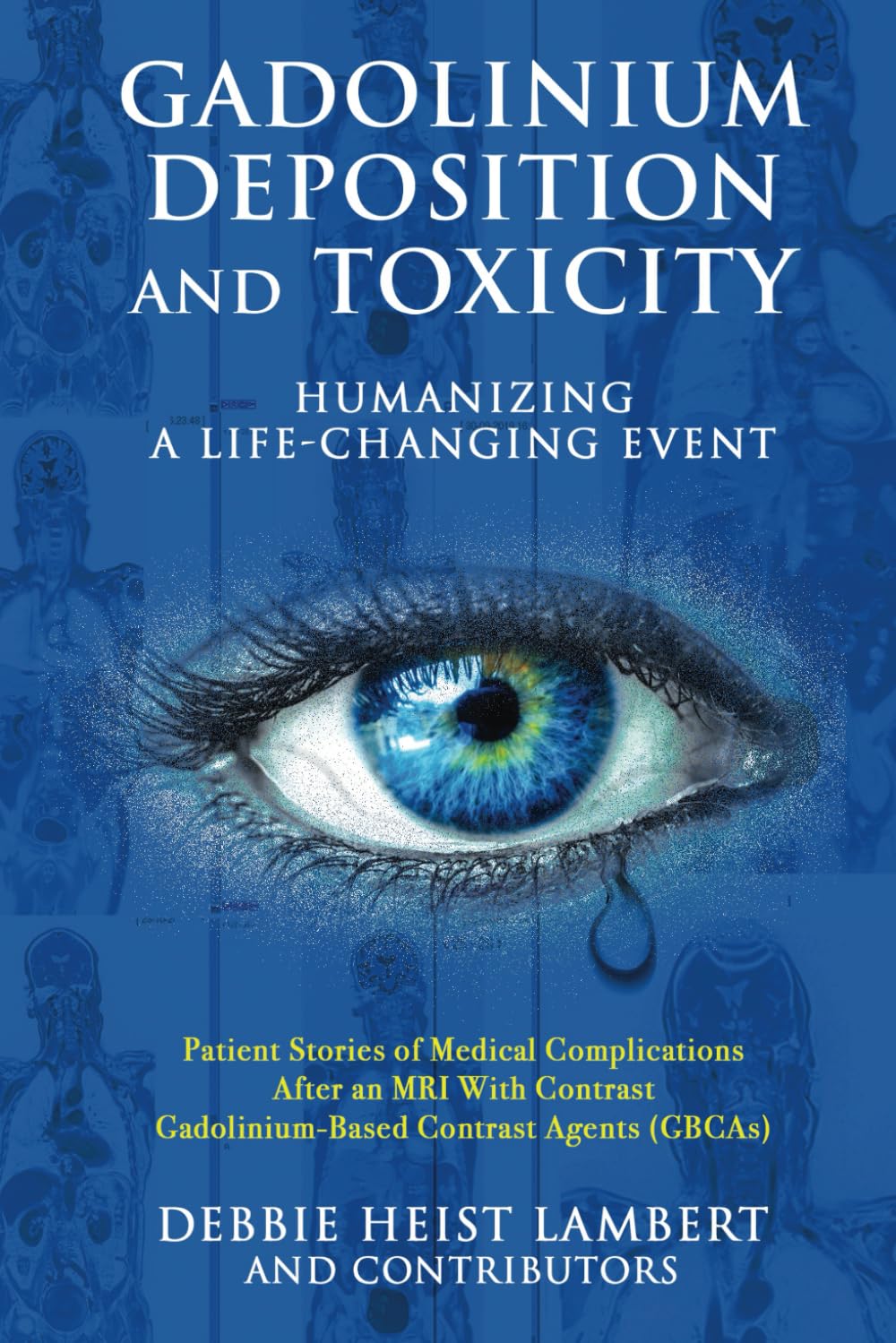
Learn More About Patient Experiences
Gadolinium Deposition and Toxicity: Humanizing a Life-Changing Event by Debbie Heist Lambert offers a patient perspective on gadolinium deposition and toxicity, humanizing this life-changing event through personal experiences shared by patients from around the world. The heartfelt stories in these pages represent real examples of adverse reactions and events following one or more injections of GBCA (gadolinium-based contrast agent), providing insight into the signs, side-effects, symptoms, and associations that patients report.
View Book on AmazonWhere to Go Next
Recognize yourself here?
Start the new-symptom path
Symptom Checker
Check your symptom pattern fit
Doctors
Specialists treating gadolinium toxicity
Doctor Visit Packet
Bring a clear summary to your appointment
Common Symptoms
The full symptom list in plain language
Symptom Timeline
How symptoms change over time
Sources and Review
Author: Gadolinium.org Editorial Team (Patient-Led Education)
Last reviewed: February 21, 2026
How this page was reviewed: Reviewed against published patient-survey findings and physician-linked educational sources on this page.
Clinician review: No physician has reviewed this page. It was checked by the editorial team against the sources listed below.
This page is for education only and is not a diagnosis or treatment plan.