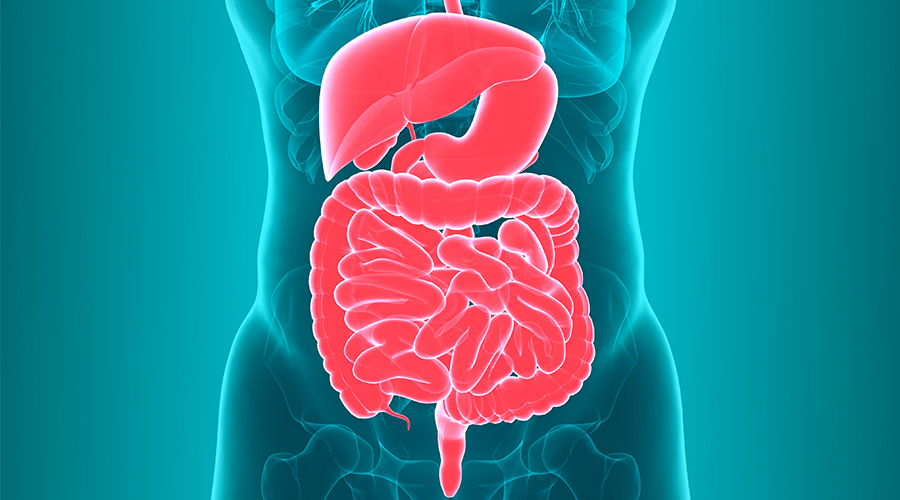
Gut & Digestive Support
Microbiome restoration and digestive healing
Gut health is often discussed as a foundational part of gadolinium recovery. Gadolinium retention may disrupt the gut microbiome, affect the intestinal barrier (contributing to "leaky gut"), and impair nutrient absorption at a time when the body may need nutritional support. Additionally, the gut-immune connection means that gut dysfunction can exacerbate systemic inflammation and histamine issues. For a deeper dive into gut health in the context of gadolinium toxicity, see our dedicated Gut Health page.
Probiotics
Targets: Microbiome restoration, immune modulation
Restoring a healthy gut microbiome is essential for gadolinium recovery. Quality probiotic supplements containing diverse strains of Lactobacillus and Bifidobacterium can help rebalance gut flora disrupted by gadolinium exposure and any antibiotics or medications used during treatment. For those with histamine issues, choose histamine-neutral or histamine-degrading strains and avoid strains known to produce histamine (such as certain Lactobacillus casei strains).
Pancreatic Enzymes
Targets: Nutrient absorption, digestion
Digestive enzyme supplements containing proteases, lipases, and amylases can help improve the breakdown and absorption of nutrients from food. Many gadolinium patients report digestive difficulties including bloating, food intolerances, and malabsorption. By supporting proper digestion, enzyme supplements help ensure that the body can extract maximum nutrition from food at a time when nutritional demands are high.
DAO Enzyme
Targets: Histamine breakdown in the gut
Diamine oxidase (DAO) is the enzyme responsible for breaking down histamine in the digestive tract. Many gadolinium patients develop histamine intolerance or mast cell activation syndrome (MCAS) where their DAO production is insufficient to handle dietary histamine. Supplemental DAO taken before meals can help break down histamine from food, reducing reactions like flushing, headaches, digestive upset, and skin issues associated with histamine intolerance.
Butyrate
Targets: Gut barrier integrity, inflammation
A short-chain fatty acid that is the primary fuel source for colonocytes (the cells lining the colon). Butyrate supports gut barrier integrity, helps seal a "leaky gut," reduces intestinal inflammation, and modulates immune function in the gut. While butyrate is naturally produced by beneficial gut bacteria fermenting fiber, supplemental butyrate (typically as sodium butyrate or tributyrin) can provide more direct support while the microbiome is being restored.
Hair & Skin Recovery
Structural support and community-reported remedies
Hair loss and skin changes are among the most distressing and commonly reported symptoms of gadolinium toxicity. While addressing possible retention and nutritional status with a clinician is important, these supplements and topical remedies are frequently discussed in the community for their ability to support hair and skin recovery specifically. For a comprehensive guide to gadolinium-related hair loss, including community data from hundreds of reports, see our Gadolinium Hair Loss page.
Collagen
Targets: Hair structure, skin elasticity
Collagen peptides provide the amino acids (glycine, proline, hydroxyproline) needed to build and maintain hair, skin, nails, and connective tissue. Gadolinium toxicity can deplete collagen and affect connective tissue integrity. Hydrolyzed collagen powder is the most common form, easily mixed into drinks or food. Marine collagen or bovine collagen types I and III are typically recommended for hair and skin support.
Keratin, MSM & Inositol
Targets: Hair strength, growth, and quality
These three supplements are commonly stacked for hair health in the gadolinium community. Keratin is the structural protein that hair is made of, and supplemental keratin may support hair strength and reduce breakage. MSM (methylsulfonylmethane) provides bioavailable sulfur, a building block for keratin production. Inositol supports healthy hair growth cycles and has been studied for its role in preventing hair thinning. Together, they provide comprehensive structural support for hair recovery.
Rosemary Oil (Topical)
Targets: Scalp circulation, hair growth
Rosemary essential oil applied topically to the scalp is one of the most frequently mentioned natural remedies for hair growth in the gadolinium community. Research has shown that rosemary oil may support hair growth in some contexts, likely by improving scalp circulation and reducing local inflammation. Community members typically dilute rosemary essential oil in a carrier oil (such as jojoba or coconut oil) and massage it into the scalp several times per week.
Castor Oil (Topical)
Targets: Scalp massage, follicle nourishment
Castor oil has been used traditionally for hair growth and is discussed in the gadolinium community as a topical scalp treatment. Its high ricinoleic acid content is believed to improve blood flow to the scalp and nourish hair follicles. Community members typically apply cold-pressed castor oil to the scalp as an overnight treatment or mix it with lighter carrier oils for easier application. The massage action itself also helps stimulate scalp circulation and follicle activity.
Where to Go Next
Blood Testing
Labs worth discussing before you supplement
Chelation Support
Oral binders and natural chelation aids
Antioxidants
NAC, glutathione, curcumin, and fish oil
Minerals & B Vitamins
Replacing what chelation strips out
All Supplements
Back to the full supplement guide
Gadolinium Chelation
DTPA chelation therapy protocol and guide
Sources and Review
Author: Gadolinium.org Editorial Team (Patient-Led Education)
Last reviewed: April 5, 2026
How this page was reviewed: Compiled from community-reported supplement protocols and educational resources. Not a substitute for individualized medical advice.
Clinician review: No physician has reviewed this page. It was checked by the editorial team against the sources listed below.
This page is for education only and is not a diagnosis or treatment plan.