Antioxidant & Liver Support
Protecting cells and supporting detoxification pathways
Gadolinium retention has been associated with oxidative stress as the body attempts to deal with a persistent foreign metal. Free gadolinium ions catalyze the formation of reactive oxygen species (ROS) that damage cell membranes, mitochondria, and DNA. Antioxidant supplementation may help neutralize oxidative damage, while liver support supplements are discussed for supporting detoxification pathways. These supplements are commonly included in gadolinium recovery protocols.
N-Acetylcysteine (NAC)
Targets: Glutathione production, liver detoxification
One of the most widely recommended supplements in the gadolinium community. NAC is the precursor to glutathione, the body's master antioxidant and a critical component of liver detoxification (Phase II). By boosting glutathione levels, NAC may help the body neutralize oxidative stress associated with gadolinium retention and support liver detoxification pathways. Typical doses discussed range from 600 mg to 1800 mg daily, often split into two or three doses. Do not pick a dose from this range yourself. Ask your doctor what is right for you. Tell them if you take nitroglycerin (NAC can drop your blood pressure dangerously) or any blood thinner.
Alpha Lipoic Acid (ALA)
Targets: Blood-brain barrier antioxidant (debated)
A unique antioxidant that is both water- and fat-soluble, allowing it to cross the blood-brain barrier. ALA is used in the Andrew Cutler chelation protocol for mercury and is discussed in the gadolinium community for its potential to address gadolinium deposited in the brain. However, ALA is debated because some community members believe it may mobilize and redistribute gadolinium without fully removing it. If used, dosing and timing should be clinician-guided.
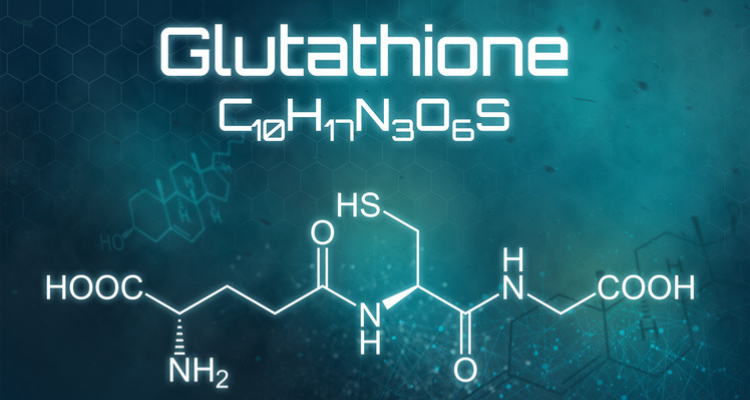
Glutathione (IV or Liposomal)
Targets: Master antioxidant, cellular detoxification
The body's most important antioxidant, glutathione is essential for detoxification, immune function, and cellular protection. Standard oral glutathione is poorly absorbed, so the community favors liposomal glutathione (which uses lipid encapsulation for better absorption) or IV glutathione administered by a healthcare provider. Some chelation clinics offer IV glutathione pushes alongside or after DTPA chelation sessions to support recovery. Learn more in our complete glutathione guide.
Milk Thistle (Silymarin)
Targets: Liver protection and regeneration
A well-researched herbal supplement for liver health. The active compound silymarin acts as an antioxidant in the liver, potentially protecting hepatocytes (liver cells) from damage and supporting liver regeneration. Since the liver is a primary detoxification organ, liver support is often discussed during gadolinium detox protocols. Milk thistle is well tolerated by most people and is considered a staple in liver support regimens. Milk thistle comes from the same plant family as ragweed and daisies. If you react to those, or if you have MCAS, you may react to milk thistle. It can also change how your body handles some prescription medicines — check with your pharmacist before starting.
Quercetin
Targets: Mast cell stabilization, antihistamine
A plant flavonoid with powerful antioxidant and anti-inflammatory properties that is particularly relevant for gadolinium patients who experience mast cell activation syndrome (MCAS) and histamine intolerance. Quercetin acts as a natural mast cell stabilizer, preventing the release of histamine and other inflammatory mediators. For more on the connection between gadolinium and mast cell issues, see our DNA, Histamine & MCAS page. Often taken with vitamin C and bromelain to enhance absorption.
Anti-Inflammatory Supplements
Managing pain and systemic inflammation
Chronic inflammation is commonly discussed in gadolinium toxicity. Retained gadolinium may trigger inflammatory cascades in tissues throughout the body, contributing to widespread pain, burning sensations, joint stiffness, and neurological symptoms. While addressing possible gadolinium retention with a clinician is important, anti-inflammatory supplements may provide symptomatic support during the recovery process.
Turmeric / Curcumin
Targets: Pain, inflammation, oxidative stress
One of the commonly discussed natural anti-inflammatory compounds. Curcumin, the active ingredient in turmeric, damps down several of the chemical signals your body uses to switch inflammation on. For gadolinium patients dealing with chronic pain and burning sensations, curcumin may provide relief. Bioavailability is key: look for formulations with piperine (black pepper extract), liposomal delivery, or phytosome technology (curcumin bonded to a fat so your gut can absorb more of it) to ensure adequate absorption.
Fish Oil / Omega-3s
Targets: Systemic inflammation, brain health
High-quality fish oil providing EPA and DHA omega-3 fatty acids may help modulate inflammation throughout the body. Omega-3s are particularly important for brain health and may help with the neurological symptoms many gadolinium patients experience, including brain fog and cognitive difficulties. Choose molecularly distilled, third-party tested fish oil to avoid heavy metal contamination. Typical therapeutic doses range from 2000 to 4000 mg of combined EPA and DHA daily. Doses this high can make you bleed and bruise more easily. Tell your doctor before starting if you take a blood thinner or aspirin, and stop before any surgery or procedure.
CBD Oil
Targets: Pain relief, inflammation (community-reported)
Cannabidiol (CBD) oil is reported by some community members as helpful for managing pain, sleep disruption, and anxiety associated with gadolinium toxicity. CBD interacts with the endocannabinoid system and has anti-inflammatory and analgesic properties. While research specific to gadolinium is lacking, community reports suggest it may help with symptom management. Legal availability varies by region. Discuss legality, product quality, interactions, and dosing with a clinician before use.
Where to Go Next
Blood Testing
Liver, kidney, and clotting labs to discuss first
Chelation Support
Oral binders and natural chelation aids
Minerals & B Vitamins
Replacing what chelation strips out
Gut, Hair & Skin
Probiotics, DAO, collagen, and topical remedies
All Supplements
Back to the full supplement guide
Gadolinium Chelation
DTPA chelation therapy protocol and guide
Sources and Review
Author: Gadolinium.org Editorial Team (Patient-Led Education)
Last reviewed: April 5, 2026
How this page was reviewed: Compiled from community-reported supplement protocols and educational resources. Not a substitute for individualized medical advice.
Clinician review: No physician has reviewed this page. It was checked by the editorial team against the sources listed below.
This page is for education only and is not a diagnosis or treatment plan.